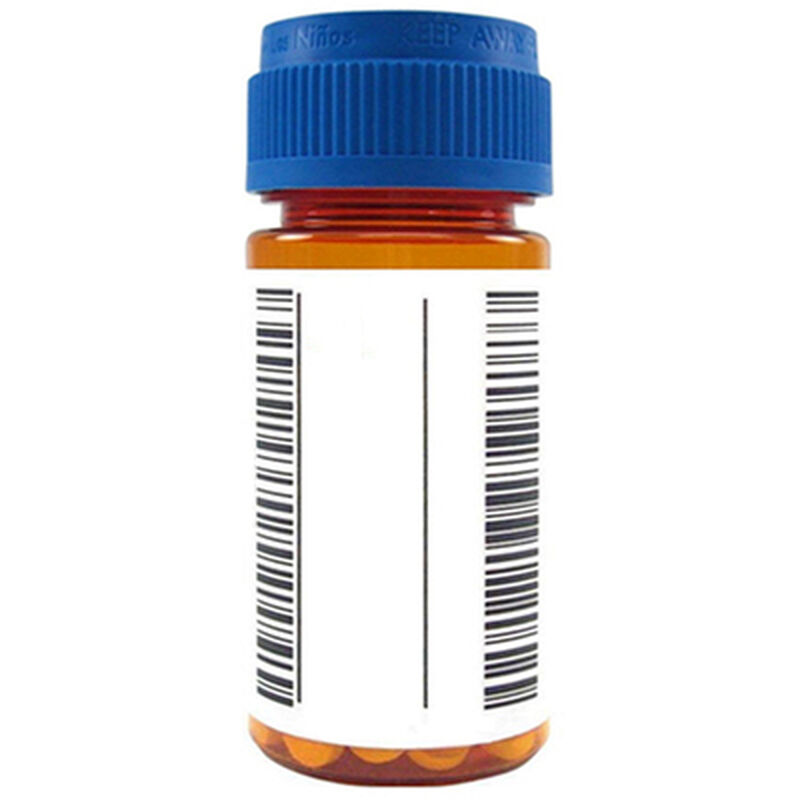
Gabapentin Capsules for Dogs, Cats, and Horses
-
Used to reduce anxiety and fear responses, treat chronic pain (e.g., neuropathy, osteoarthritis), and as an add-on medication for treatment-resistant seizures in dogs and cats.
-
Can also be used to treat chronic/neuropathic pain associated with various conditions (e.g., laminitis, arthritis) in horses.
-
Do not discontinue this medication abruptly, especially if your pet has been taking it regularly or long-term.
-
May be prescribed for other animal species; please consult your veterinarian.
-
While this drug does not have an FDA-approved indication for all animal uses, it is commonly accepted for veterinarians to prescribe this medication for use in animals.
Gabapentin is classified as an anti-seizure (anticonvulsant) medication, though it is also frequently used to reduce anxiety and manage chronic pain in animals.
This product is an oral capsule formulation.
Gabapentin is a controlled substance in the following states: AL, KY, MT, ND, TN, VA, WV.
All electronically prescribed orders shipping to these states will require secondary verbal or faxed authorization from the prescriber prior to dispensing this medication.
The following states require the pet owner’s date of birth to be on file prior to dispensing: AL, AR, CT, LA, MN, MT, NC, ND, OH, OR, VA, WI, WV, WY.
Please note: This is a generic medication. Product packaging and appearance, including size, color, and shape, may differ from the description or images provided and are subject to manufacturer availability.
Product sourced directly from the manufacturer or their approved distributor. Guaranteed genuine product backed by the manufacturer.
For
Dogs, Cats, and Horses
Active ingredient(s)
Gabapentin
Common brand names
Neurontin
Drug class
Anticonvulsant, Anxiolytic, Analgesic
Product strength & size
Gabapentin capsules may be available in multiple strengths and/or sizes.
Please ensure the selected product and quantity are appropriate for your pet, as recommended by your veterinarian. For current availability, please refer to the product selection above.
Usage
Gabapentin Capsules should be administered as directed by your veterinarian. Do NOT discontinue this medication abruptly, especially if it is being used to help manage a seizure disorder or if your pet has been using it consistently on a regular or long-term basis. Please consult your veterinarian before making any changes or discontinuing the prescribed dosing schedule.
This medication can be given with or without food. If your pet vomits or appears unwell after receiving a dose on an empty stomach, give future doses with a small amount of food or a treat. If vomiting continues, contact your veterinarian.
If a dose is missed, administer it as soon as possible. If it is almost time for the next dose, skip the missed dose and continue with the regular schedule. Do not give more medication than prescribed or two doses at once. If you have questions about your pet’s prescribed dosing schedule (e.g., timing, interval), please contact your veterinarian.
Storage
Store in a cool, dry place at a controlled room temperature (68° - 77°F). Keep this and all other medications in a secure location out of the reach of children and animals.
Exposure to extreme temperatures, light, or moisture can affect the integrity and effectiveness of medications. Always store this medication properly (e.g., away from the bathroom, kitchen sink, or other damp places).
Side effects
The most common side effects of this medication are drowsiness, sedation, and incoordination (e.g., uncoordinated movements, stumbling). Hypersalivation (excessive drooling) and vomiting have also been reported in cats.
Your veterinarian may advise a lower initial dose and gradually increase over time to help find an appropriate dosage and avoid these effects.
Contact your veterinarian immediately if your pet appears overly sedated, dizzy, or if you notice slow, labored, or otherwise abnormal breathing.
The information provided above may not encompass all possible side effects. Please notify your veterinarian if your pet experiences any side effects, including those listed above, or if you notice anything unusual.
Precautions
For veterinary use only.
Gabapentin is a controlled substance in certain states; this medication should only be used for the animal for whom it was prescribed.
Use with caution in animals with kidney disease or impairment.
Safe use of this medication has not been established and should be used with caution in breeding, pregnant, or lactating animals. Discuss the risks of using this medication with your veterinarian prior to use if your pet falls into one of these categories.
Do not administer this medication to animals with a known or suspected allergy/hypersensitivity to gabapentin, pregabalin (Bonqat), or to any other ingredient in the formulation. Allergic reactions to medications may occur. Please inform Vetsource and your veterinarian if your pet has any known sensitivities or allergies, especially to medications and supplements.
If your pet displays symptoms of an allergic reaction, discontinue therapy and call your veterinarian immediately or seek emergency veterinary attention. Symptoms may include (but are not limited to): swollen lips, tongue, face, or airways; difficulty breathing; agitation; profuse salivation; and widespread hives or itching.
Food and drug interactions
Aluminum-, magnesium-, and calcium-containing oral products (e.g., antacids) may decrease the absorption of this medication and should be separated from gabapentin doses by at least 2 hours.
Additionally, the following drugs* may also have potential interactions with this medication:
antihistamines (e.g., hydroxyzine), benzodiazepines (e.g., diazepam), CNS depressant drugs (e.g., dexmedetomidine [Sileo], methocarbamol), mirtazapine, phenobarbital, phenothiazines (e.g., acepromazine [PromAce]), SSRIs (e.g., fluoxetine), tramadol, trazodone, and tricyclic antidepressants (e.g., amitriptyline, clomipramine).
*NOTE: This may not be a comprehensive list. As with all medications, please consult your veterinarian if you have any questions or concerns prior to use. Contact your veterinarian if your pet experiences any unusual reactions when multiple medications and/or supplements are given together.
Please ensure your veterinarian is aware of all medications, supplements, and over-the-counter (OTC) products that your pet is currently using. Your veterinarian may prescribe multiple medications, even if a potential drug interaction may occur. In these instances, your veterinarian may adjust the dosages or monitor your pet more closely.
Adverse reactions
If you are concerned that your pet has experienced an adverse reaction to this medication, please contact Vetsource Pet Owner Care at 877-738-4443.
Overdose
If you have any reason to suspect accidental ingestion or overdose, call your doctor/veterinarian or the appropriate poison control resource immediately.
For humans:
The national toll-free Poison Help line, 1-800-222-1222, will connect you to your local poison center in case of emergency. This service is available nationwide and in most U.S. territories.
For animals:
The ASPCA Animal Poison Control Center is available 24 hours a day, 365 days a year at 888-426-4435.
Pet Poison Helpline also provides a 24/7 animal poison control service at 855-764-7661.
*Please note: The contact information provided above is for third-party services in the event of a potential poison-related emergency. Consultation fees may apply for these services.
Disclaimer
The content provided on this page is NOT medical advice.
All content, including the images and product description above, is intended for general informational purposes only and should not be considered a substitute for professional veterinary consultation, diagnosis, or treatment.
For additional information about this product and how it fits into your pet's individual treatment plan, please consult your veterinarian.
Last revised: 7/14/2026
 Save up to 15% with an Optimum Wellness Plan

 Help
Help
 Prescription required


 Shop
Shop
 Locations/appointments
 Veterinary care
 Ways to get care
 Visit information
 Pet wellness plans
 Virtual petcare
 Pet Chat™ information
 Locations
 MyBanfield
 Shop packages now
 Request information
 Package FAQs
 NEW! Banfield Access Plan
 Pet health articles
 Puppy care
 Kitten care
 Senior care
 Dental care
 Diet and nutrition
 Ear care
 Parasites
 Fleas
Fleas
 Ticks
Ticks
 Mites and mange
 Worms
Worms
 Skin and coat care
 Mobility
 First aid
 Vaccinations
 End of life care
 Traveling with your pet
 Podcast - Not Just Fluff
 Video vault
 About us
 Contact us
 Newsroom
 Our leadership